Idak-Idak-Idak
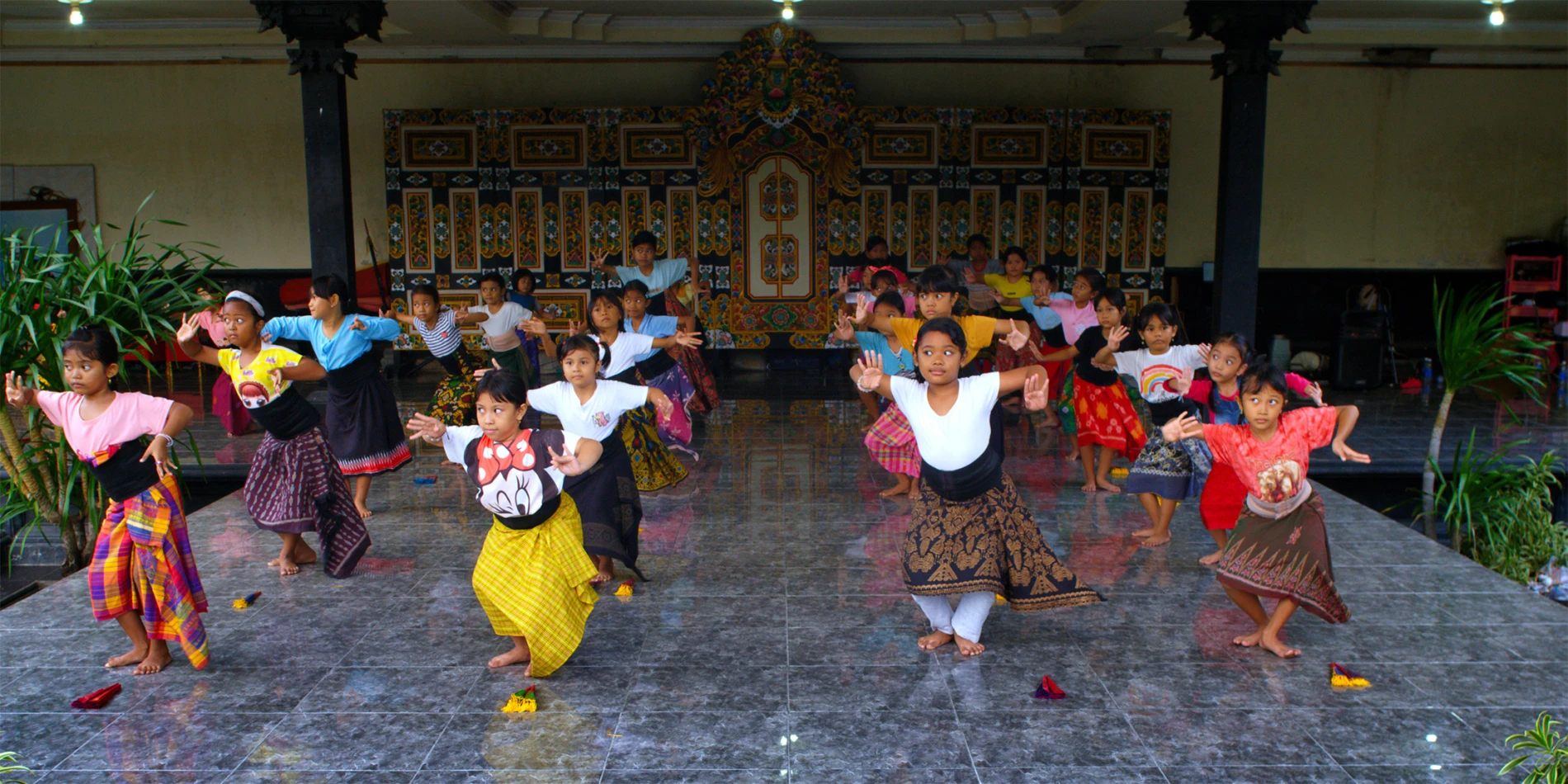
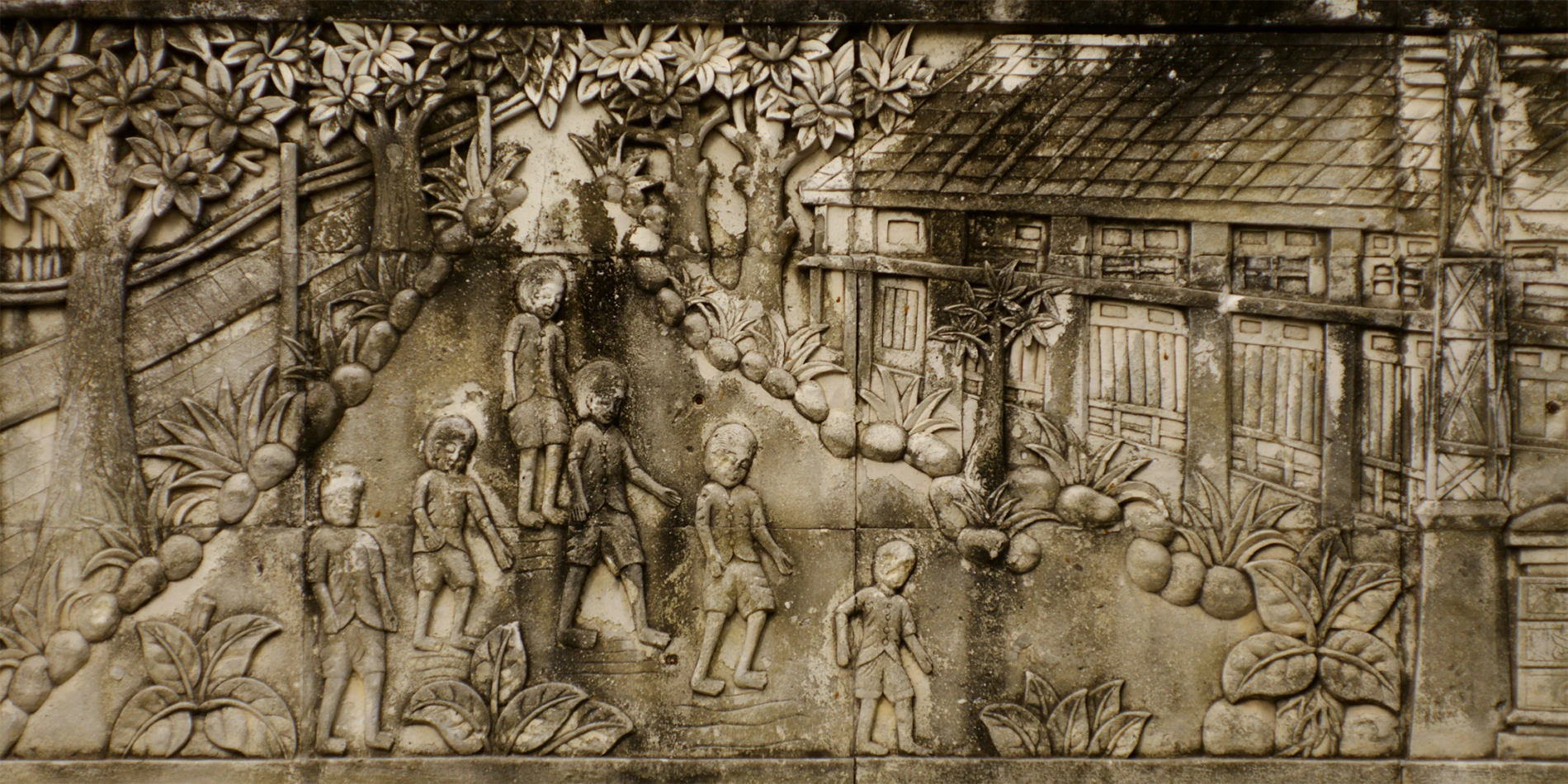
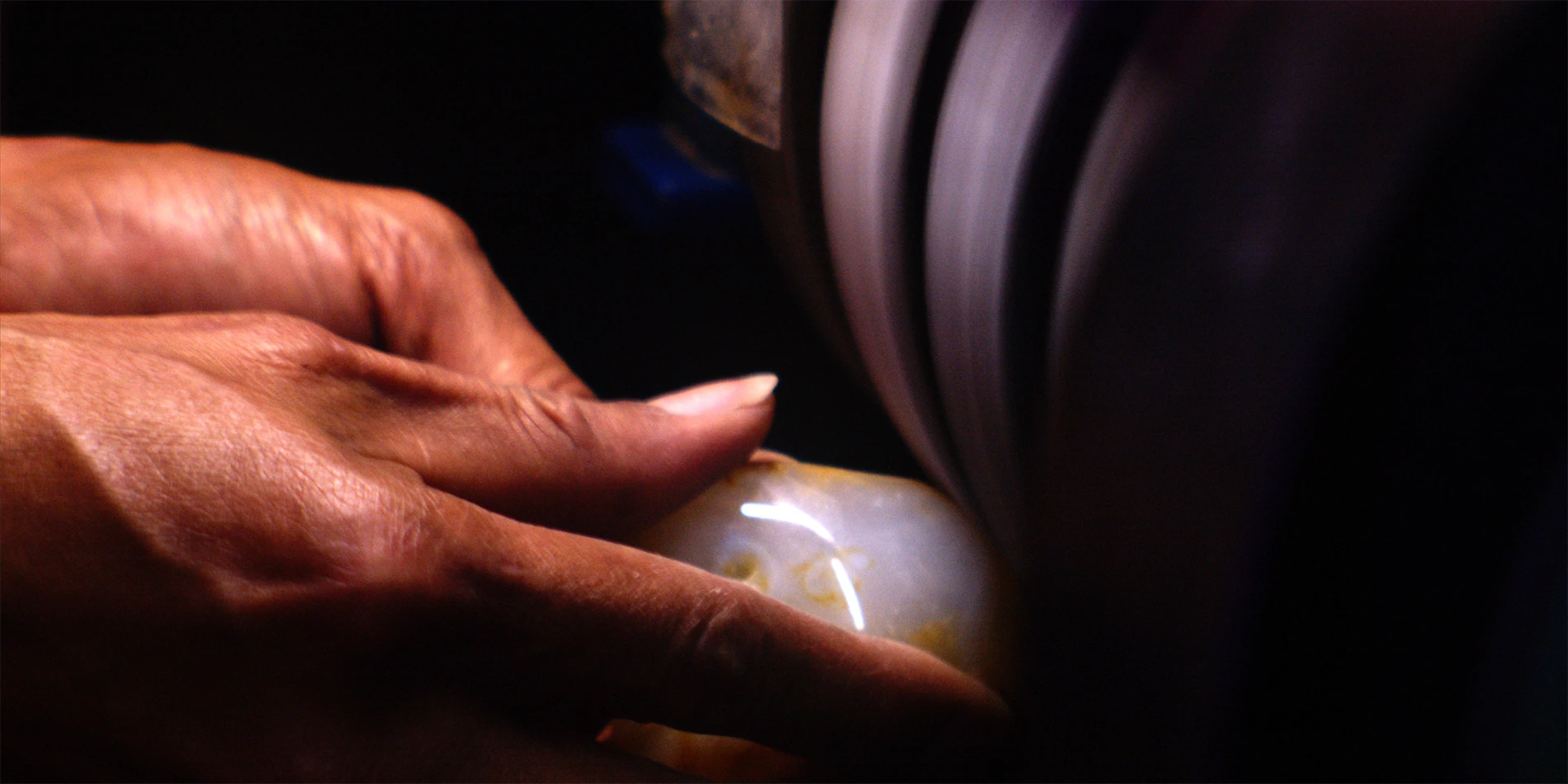
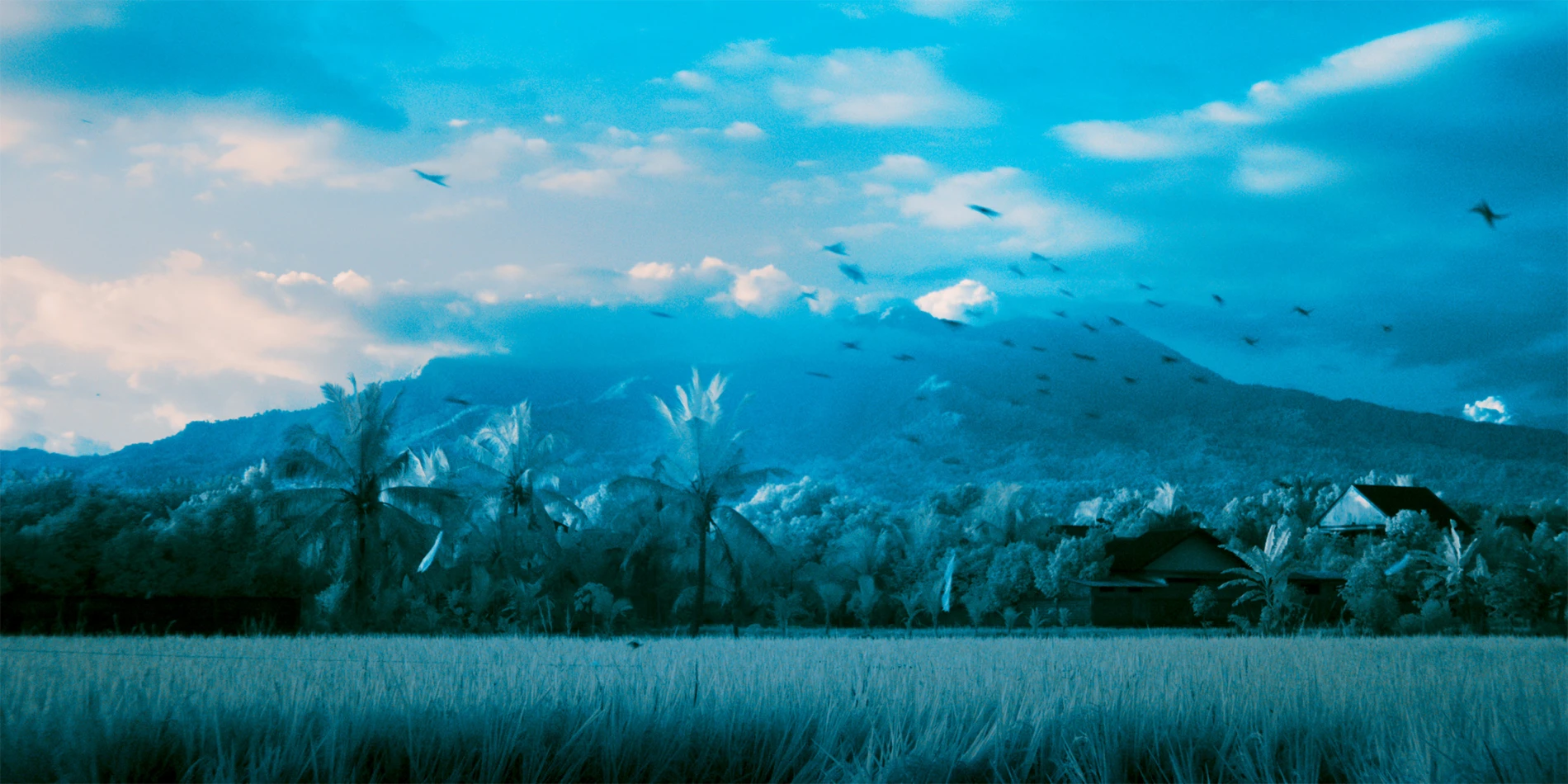
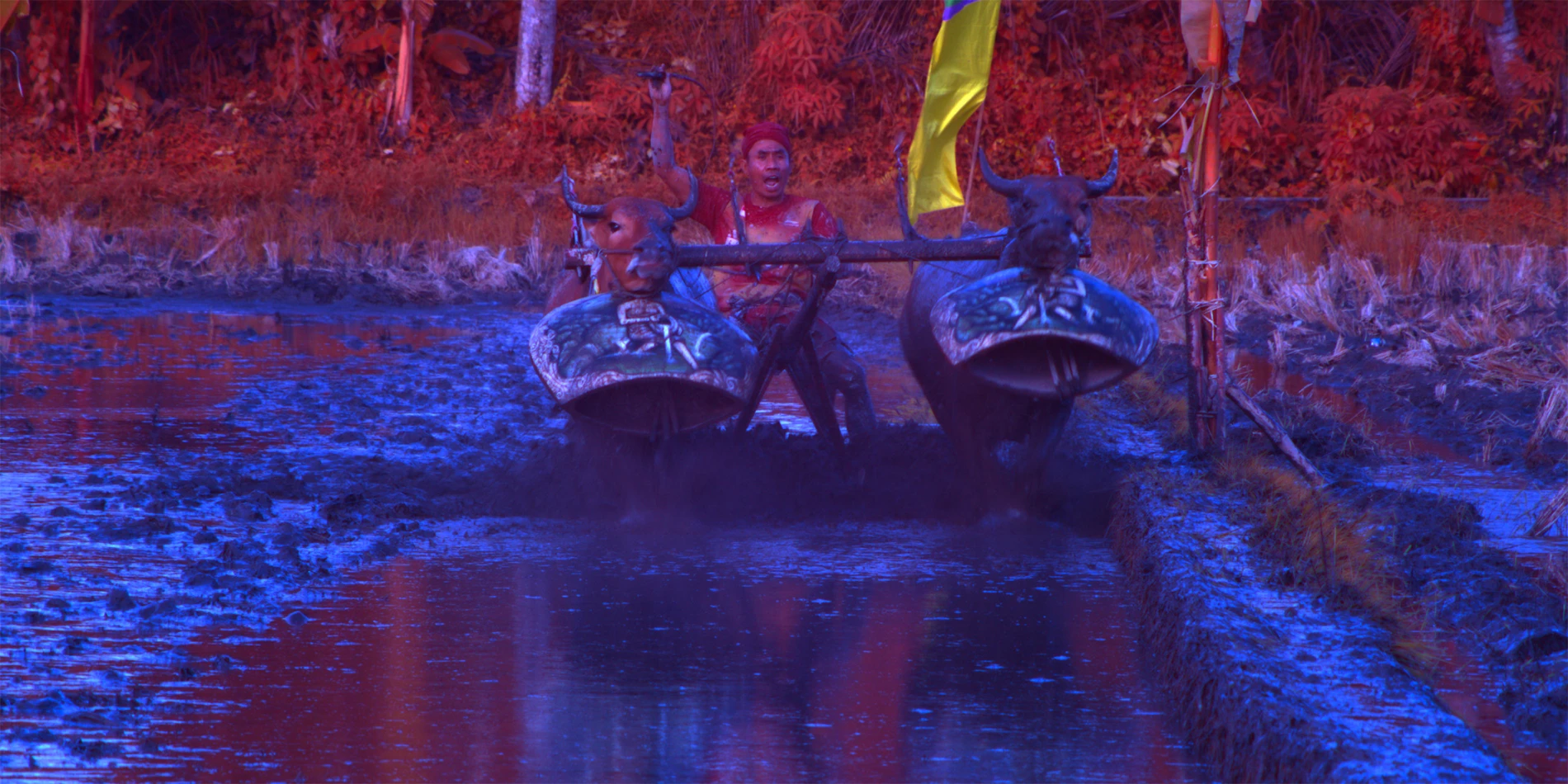
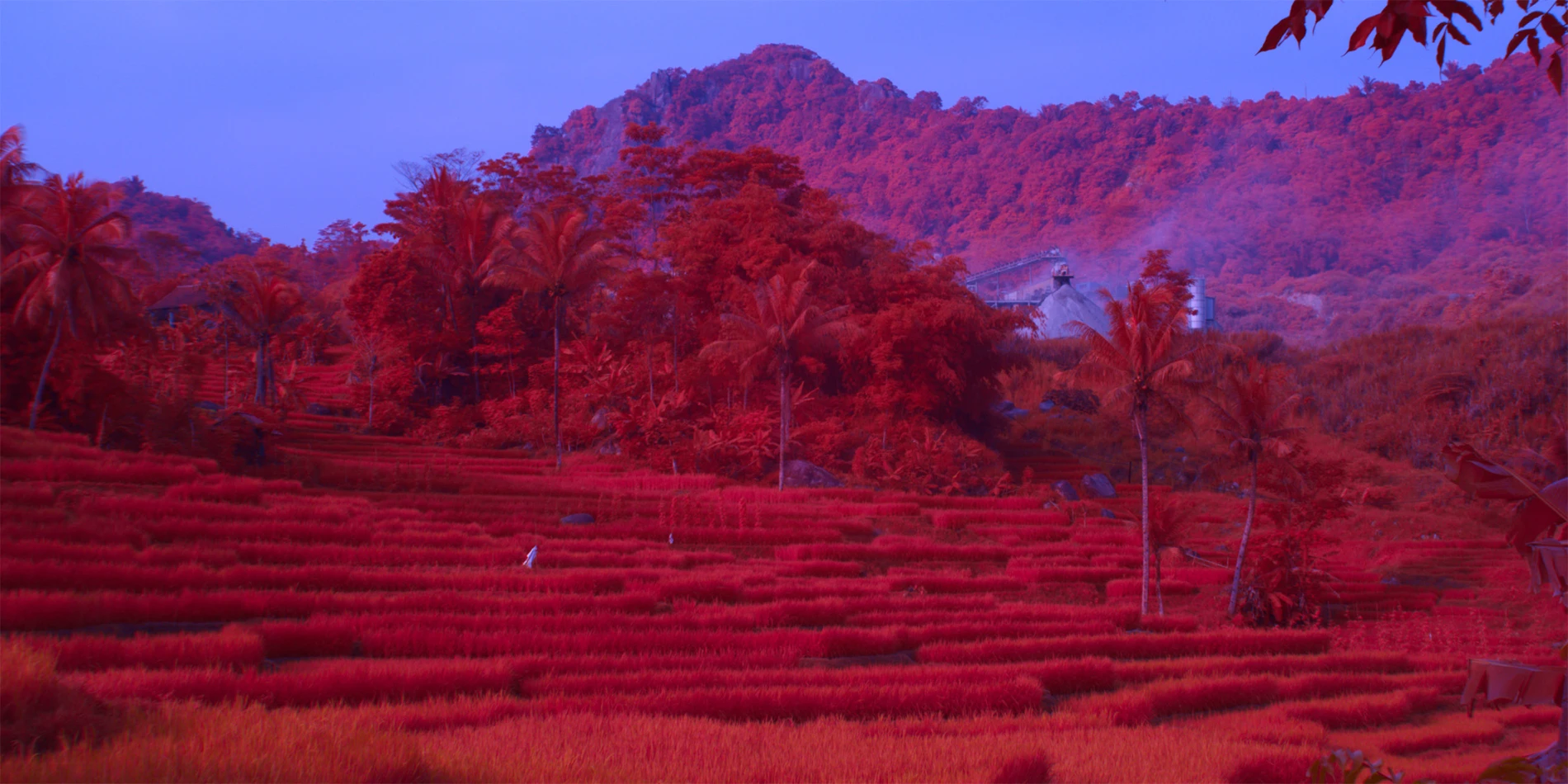
'Idak-Idak-Idak' is a hybrid-documentary relating the stolen Lombok Treasures with the Sasak diaspora through three generations of women: a daughter, her mother, and her grandmother. Blending full-spectrum cinematography with personal footage, this film moves between Indonesia and the Netherlands to examine colonial legacies, displacement and healing the heart of home.
The artefact/s
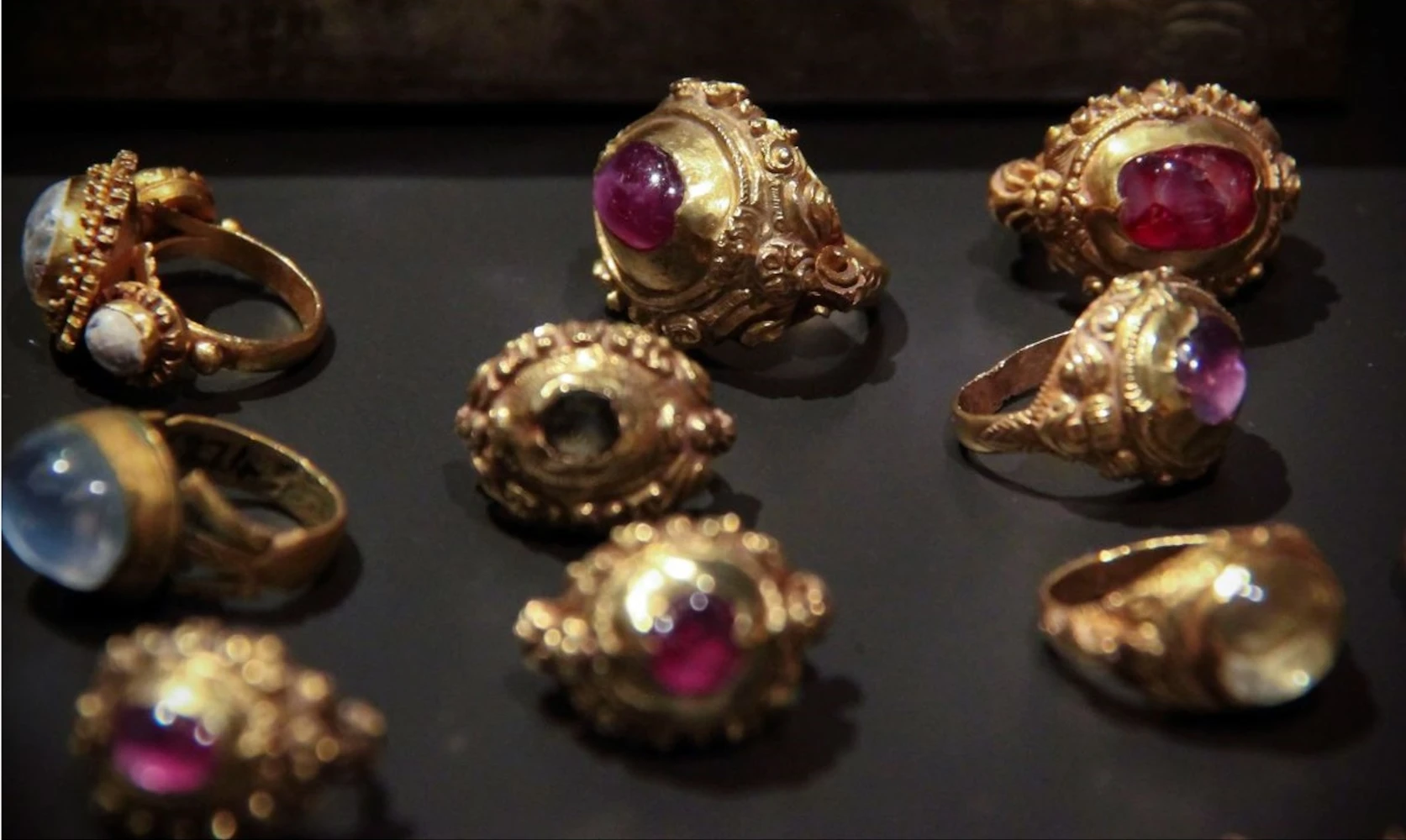
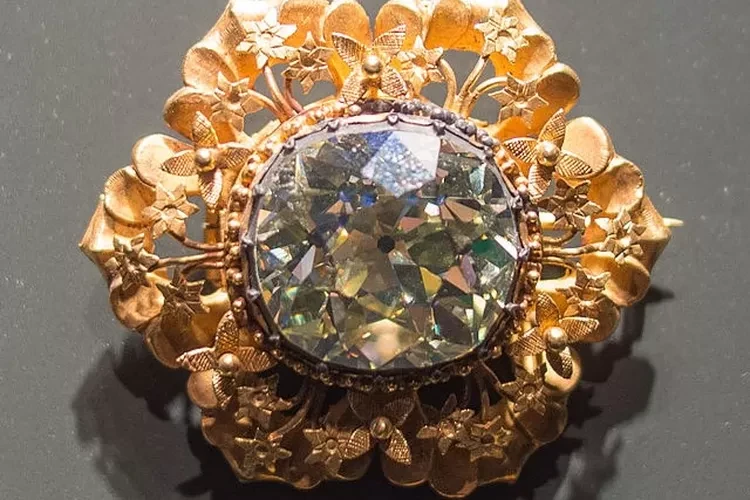
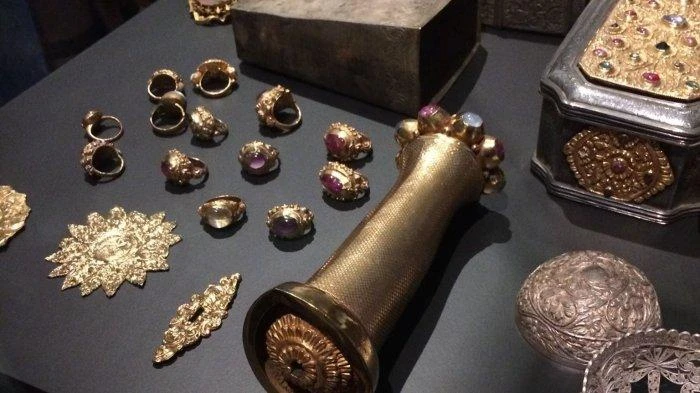
In 1894, Dutch colonial forces seized a vast collection of sacred artefacts and gemstones from the Balinese Karangasem Dynasty on the island of Lombok during a violent military campaign that left thousands dead. Known as the Lombok Treasures, they were taken to the Netherlands where they remained for over a century before being partially restituted to Indonesia in 2023, a return raising as many questions as it answers.
Balinese in origin, seized from Lombok, held in the Netherlands, and returned to Jakarta: the journey of these artefacts is one of displacement, contested belonging, and histories without clear resolution. To the communities from which they were taken, they are not just artefacts but active symbols of identity, memory, and ancestral power. Their provenance is complex and contested, both as entities of devotion and spoils of bloodshed, stretching across histories of trade and empire throughout Indonesia and beyond.
The collaboration
We approached these artefacts not as historical relics awaiting institutional restitution, but as living witnesses, as entities that have absorbed centuries of displacement, memory, and cultural transformation. The question that drove us was not how to return them, but what they hold within them, and for whom.
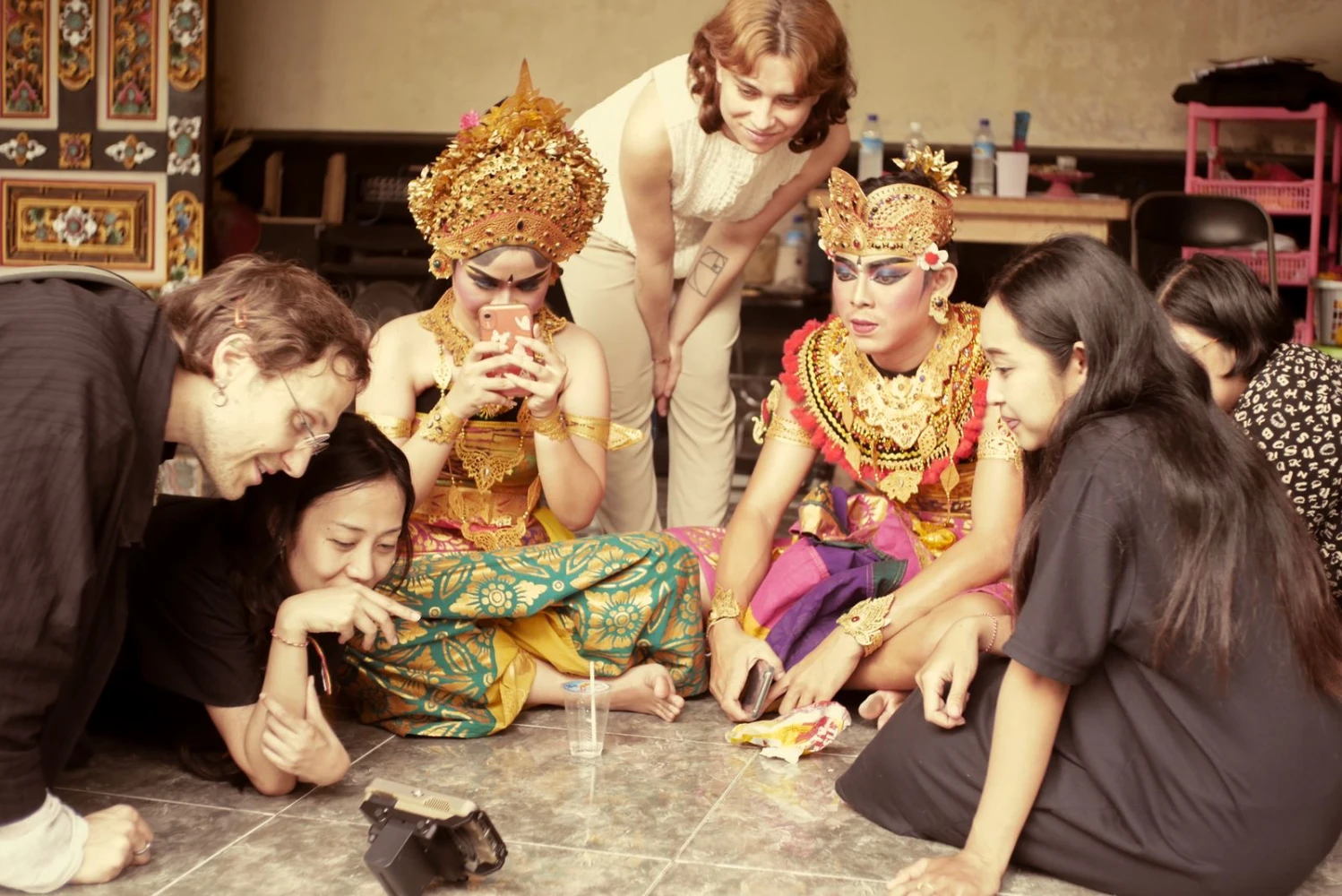
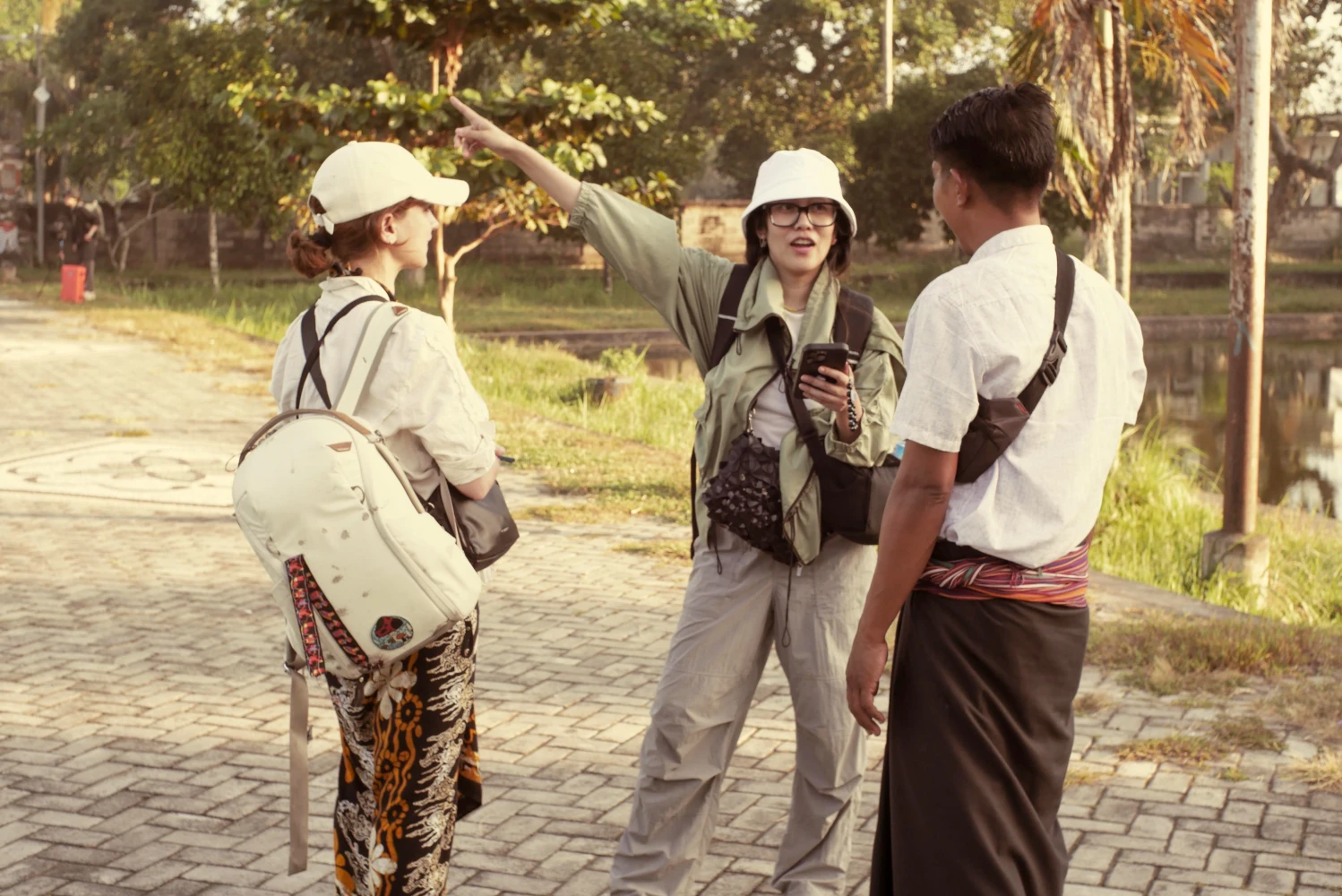
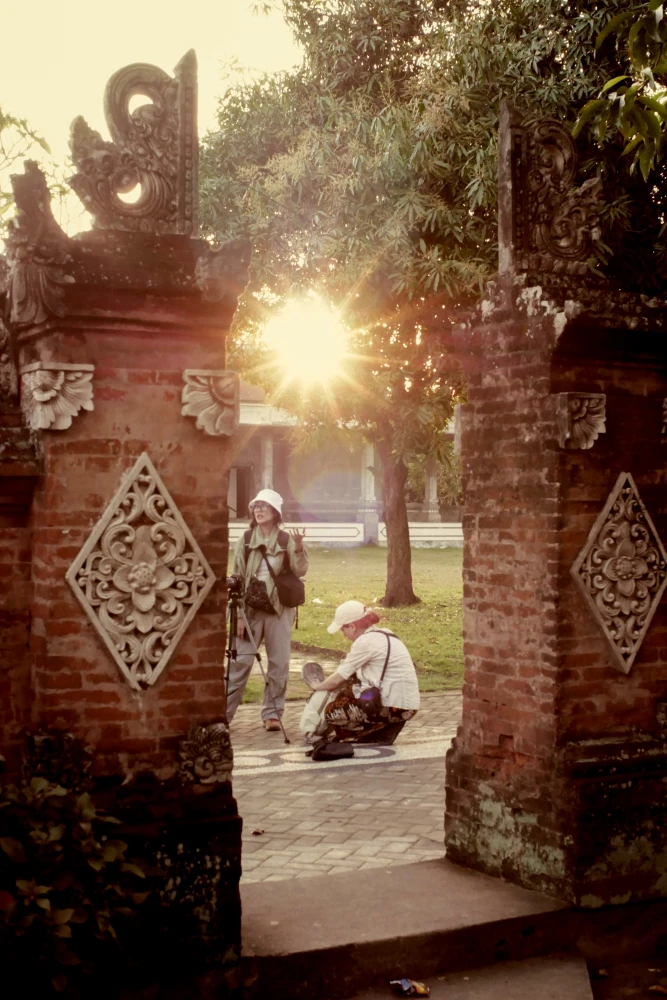
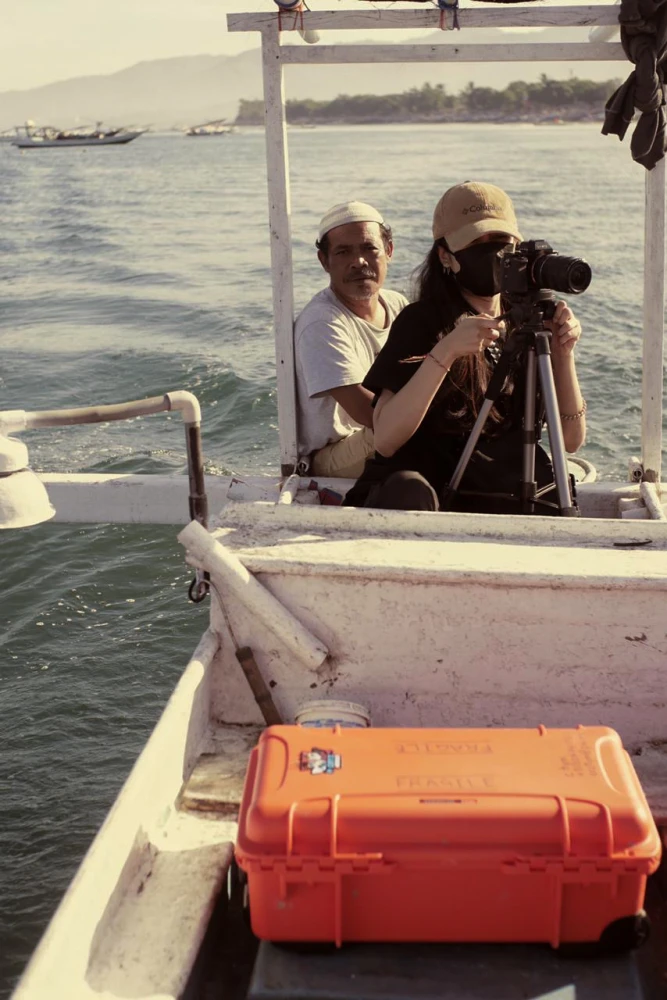
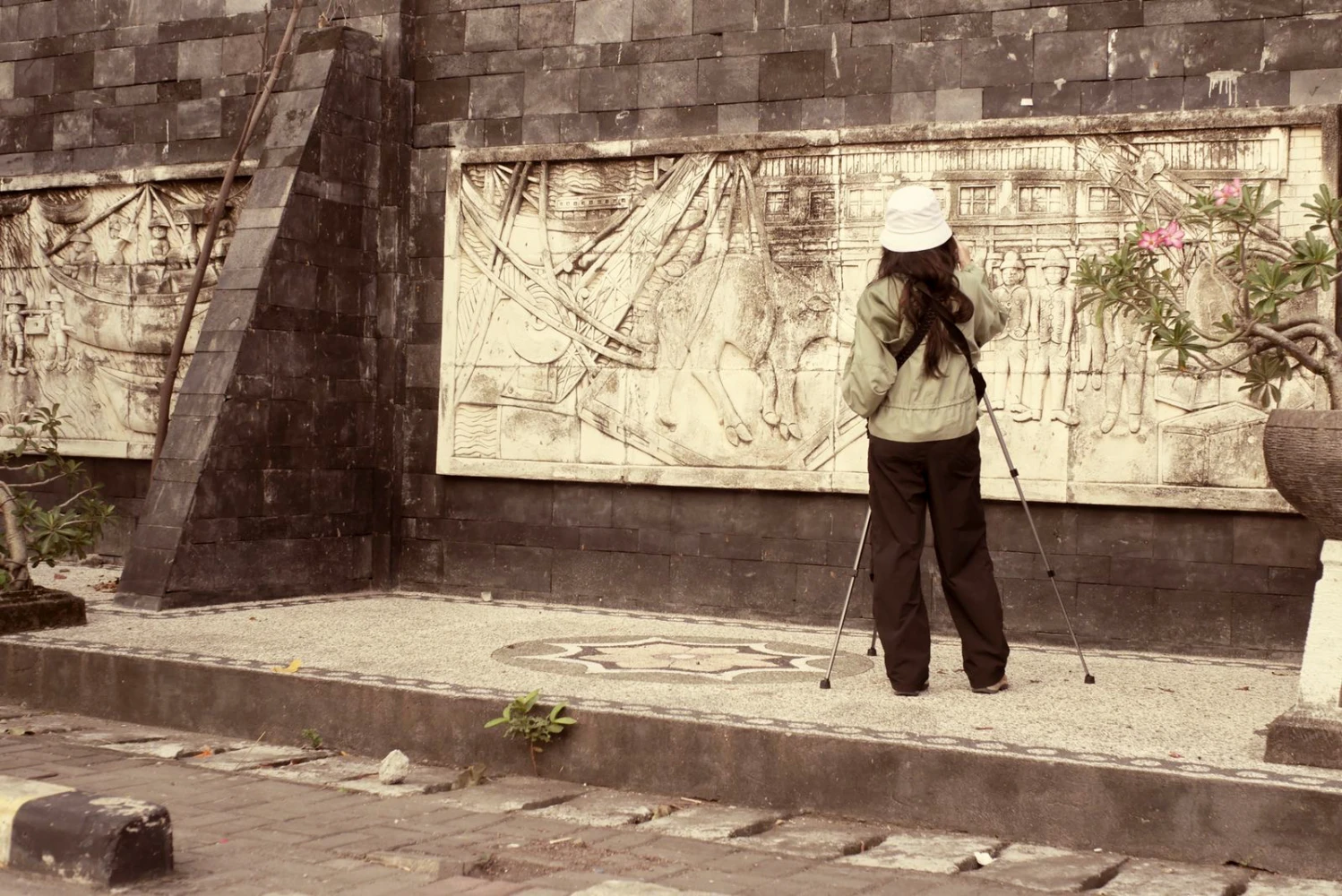
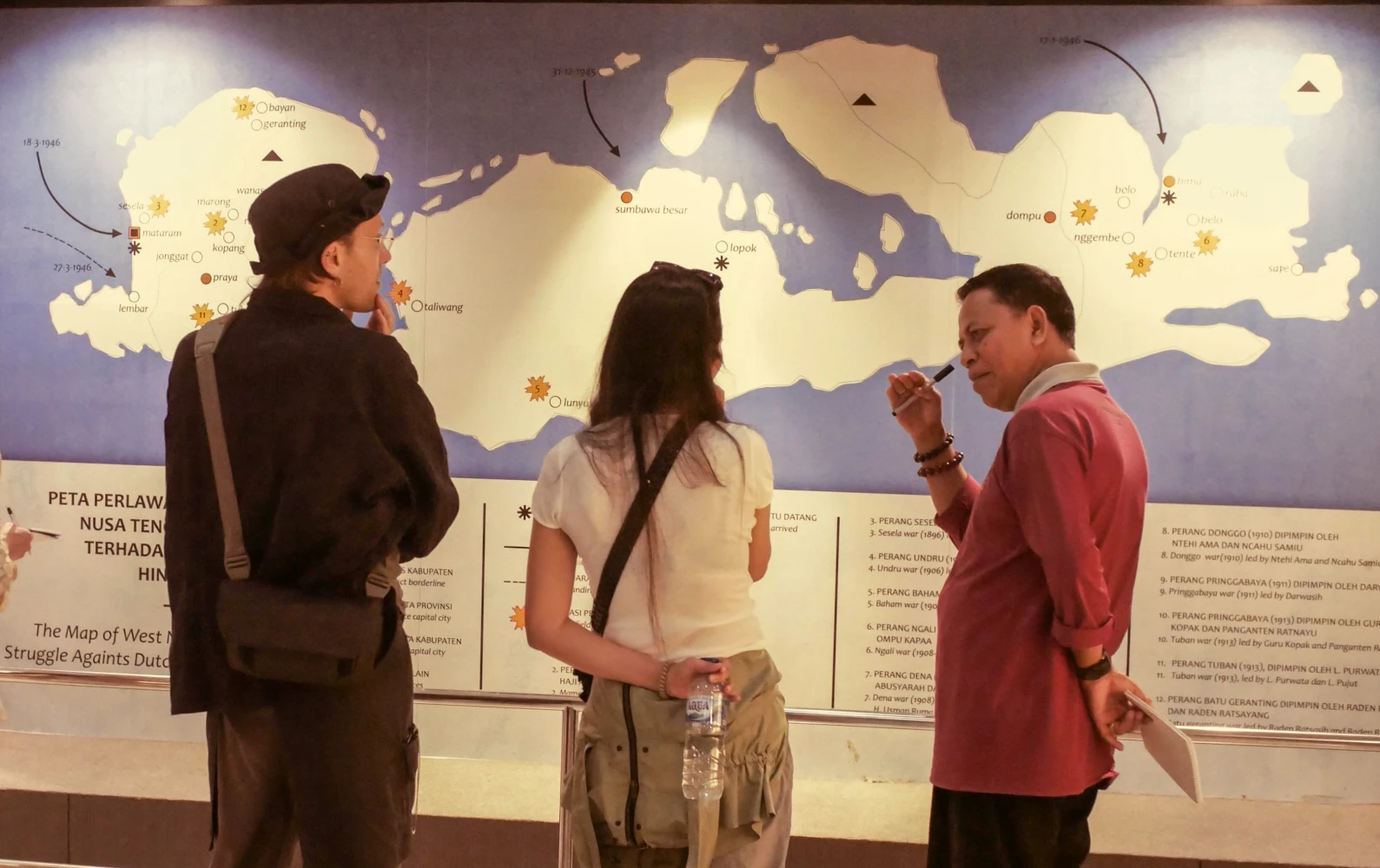
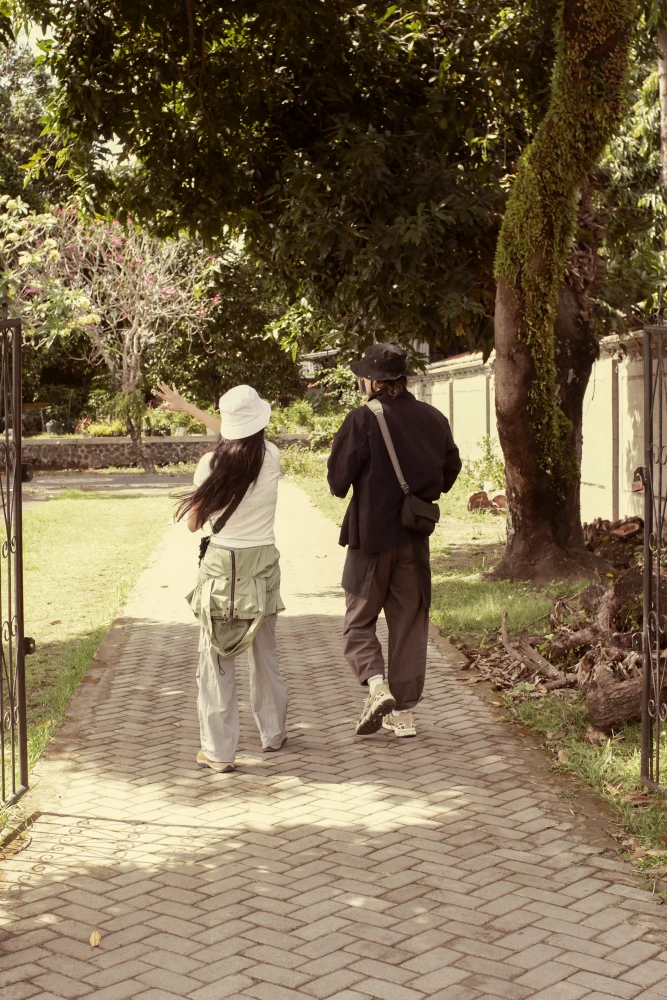
To generate the narrative for the film we held workshops in Bandung and Den Haag, inviting communities from the Indonesian diaspora to inhabit the perspective of the gemstones from the Lombok Treasures as a proxy for their own experiences of displacement and movement. From these workshops we created a script for three women from the same family, a grandmother in Lombok, her daughter, and her granddaughter in the Netherlands, as a human equivalent of the journeys of the stones. Separated across generations and geographies, carrying inherited memories that grow harder to hold the further they travel from their origin, they became a way of making the diasporic experience of these artefacts legible.
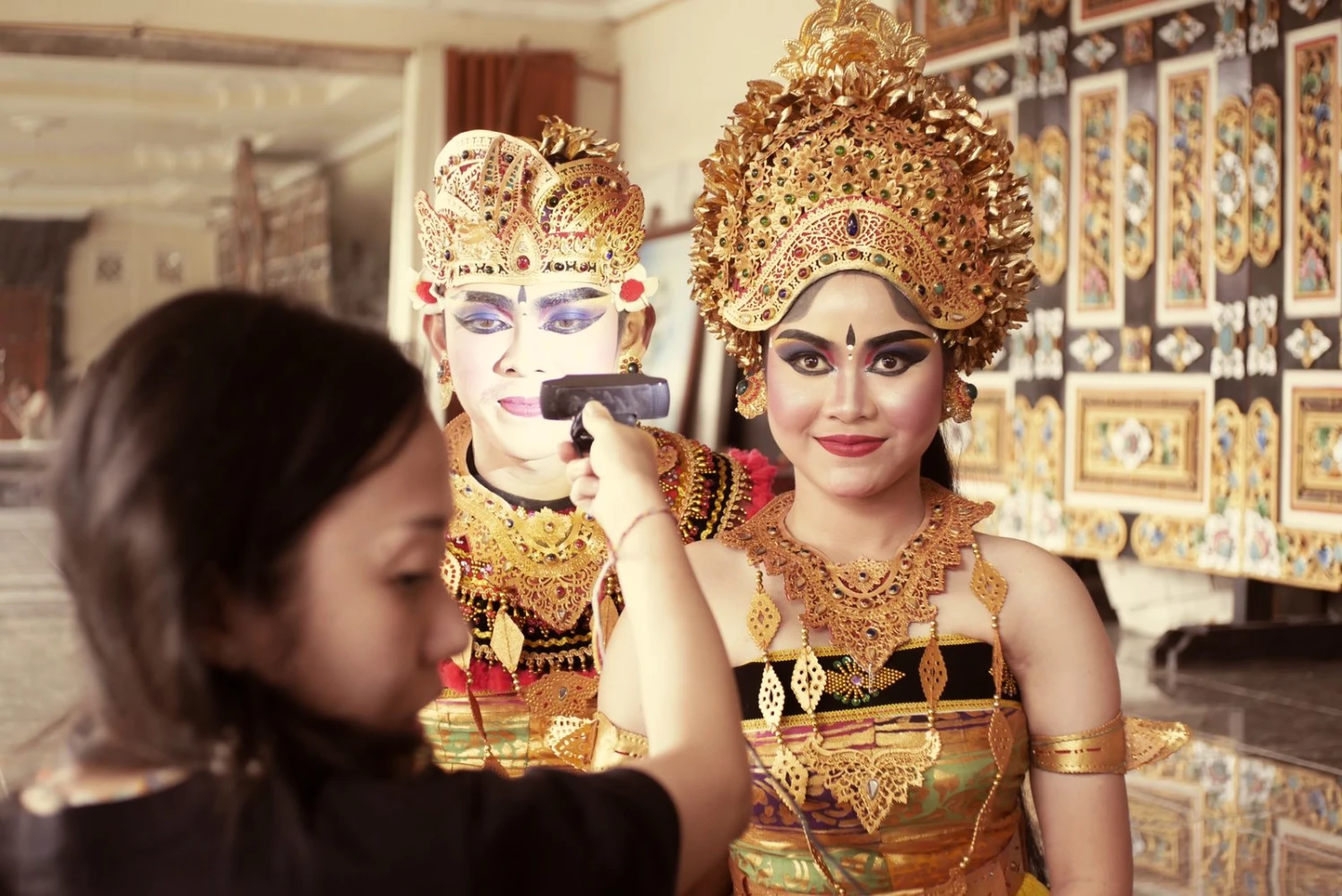
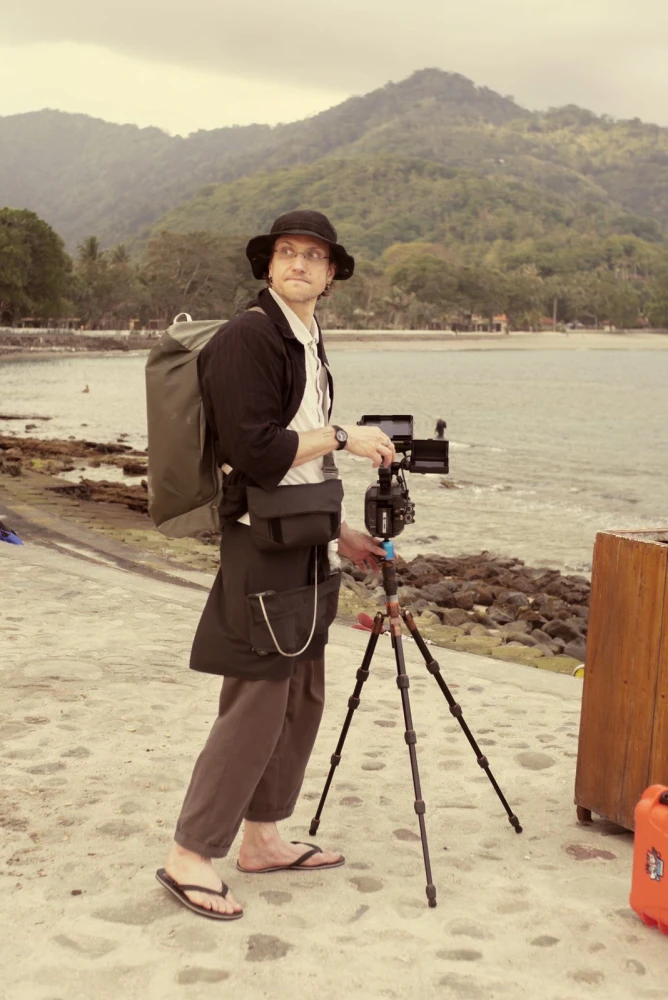
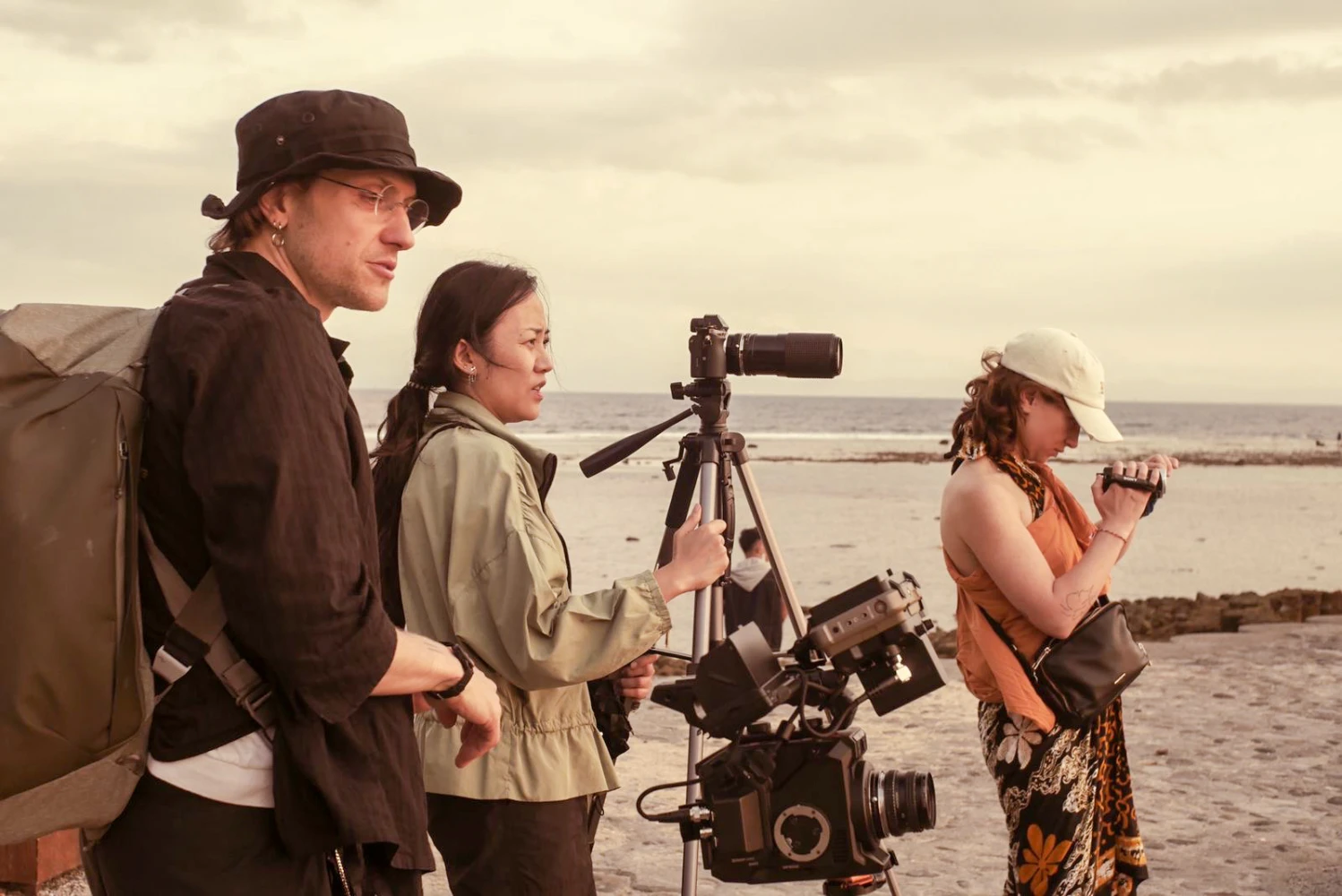
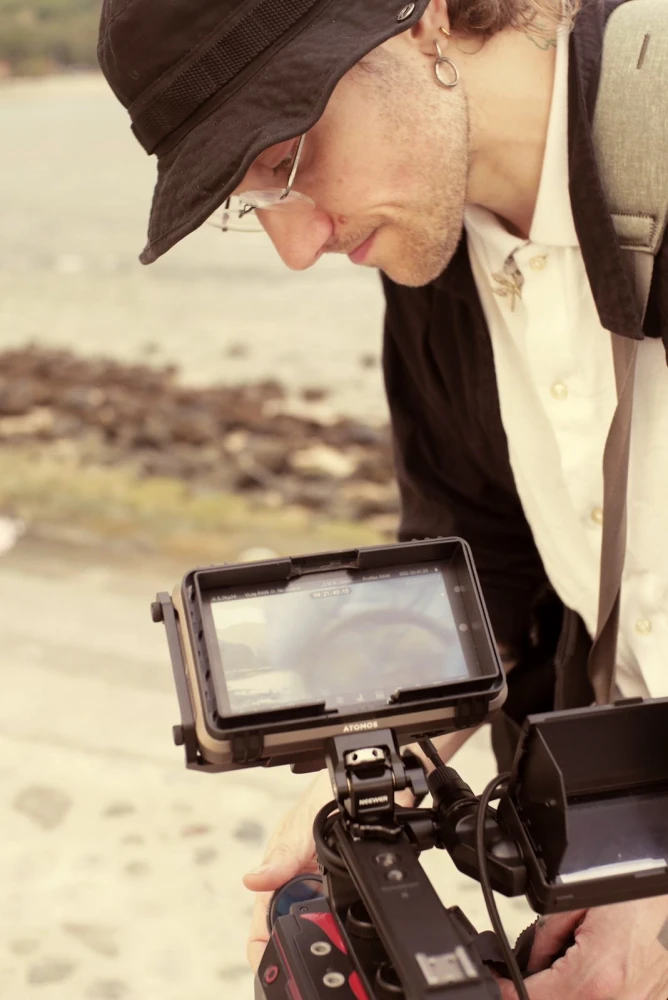
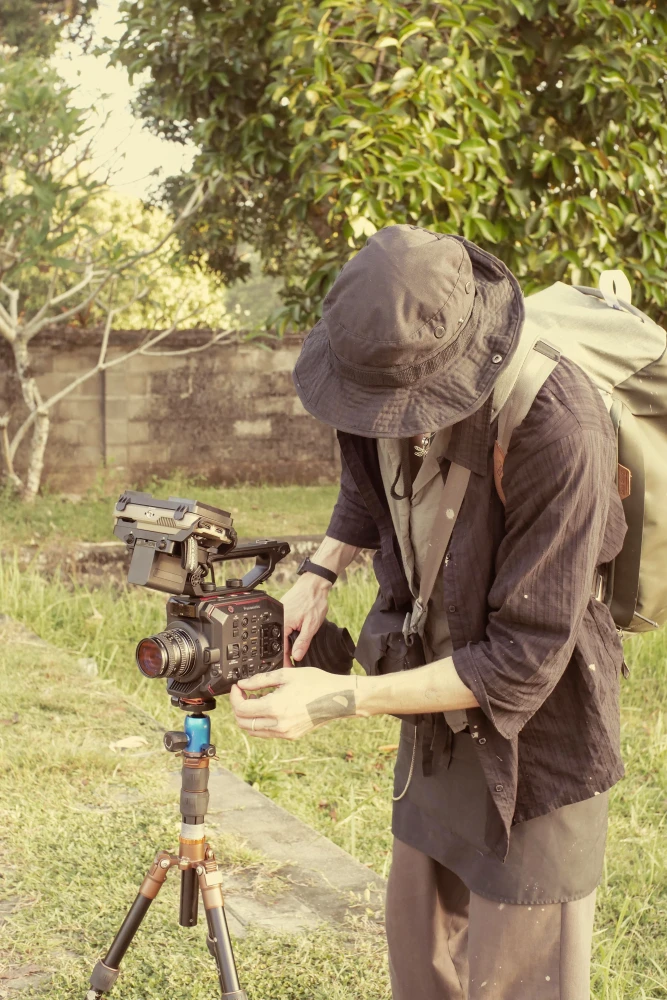
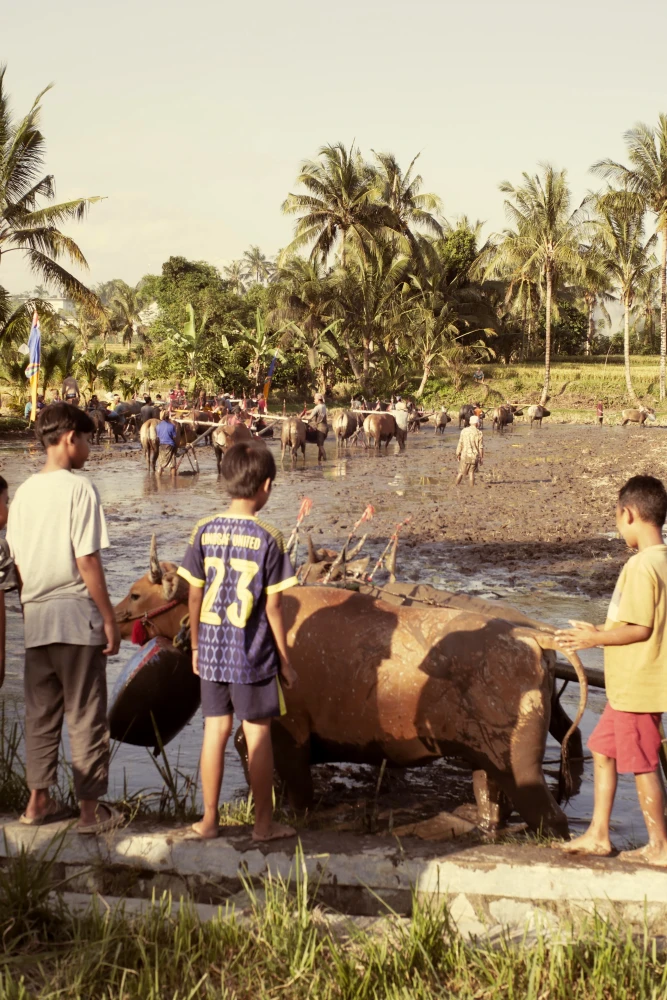
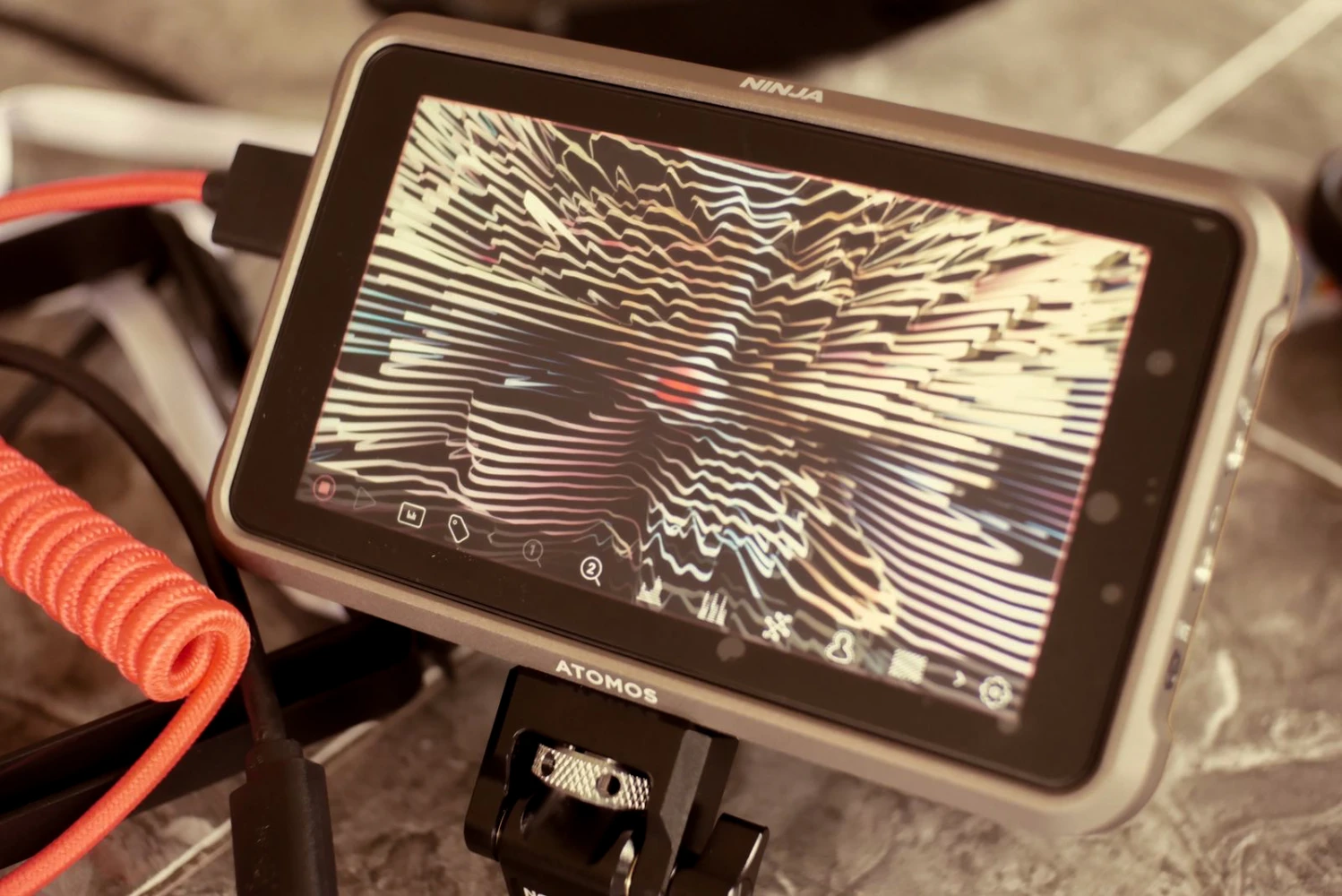
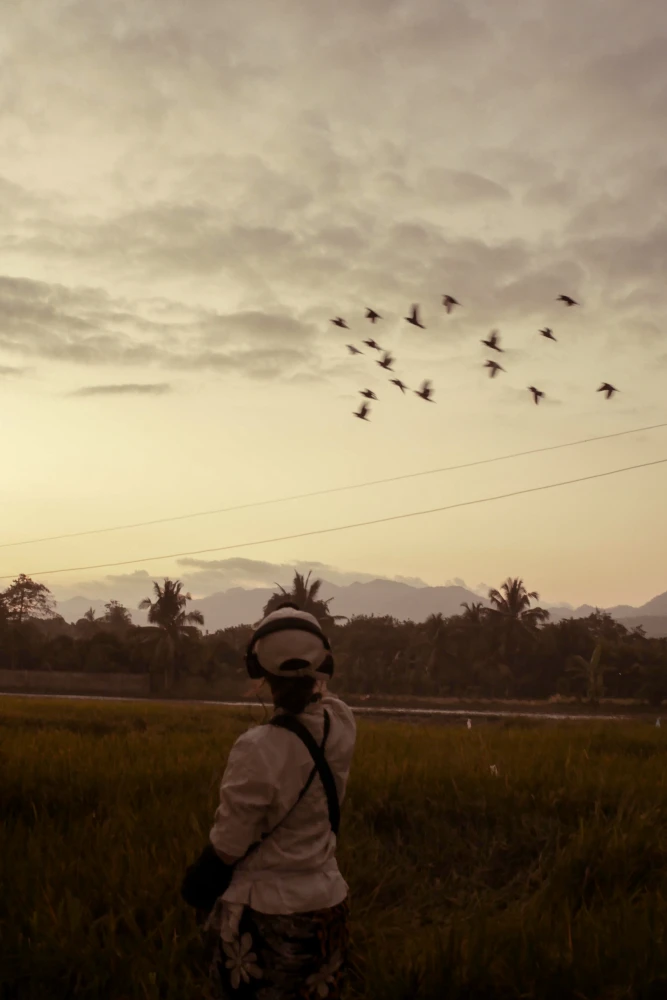
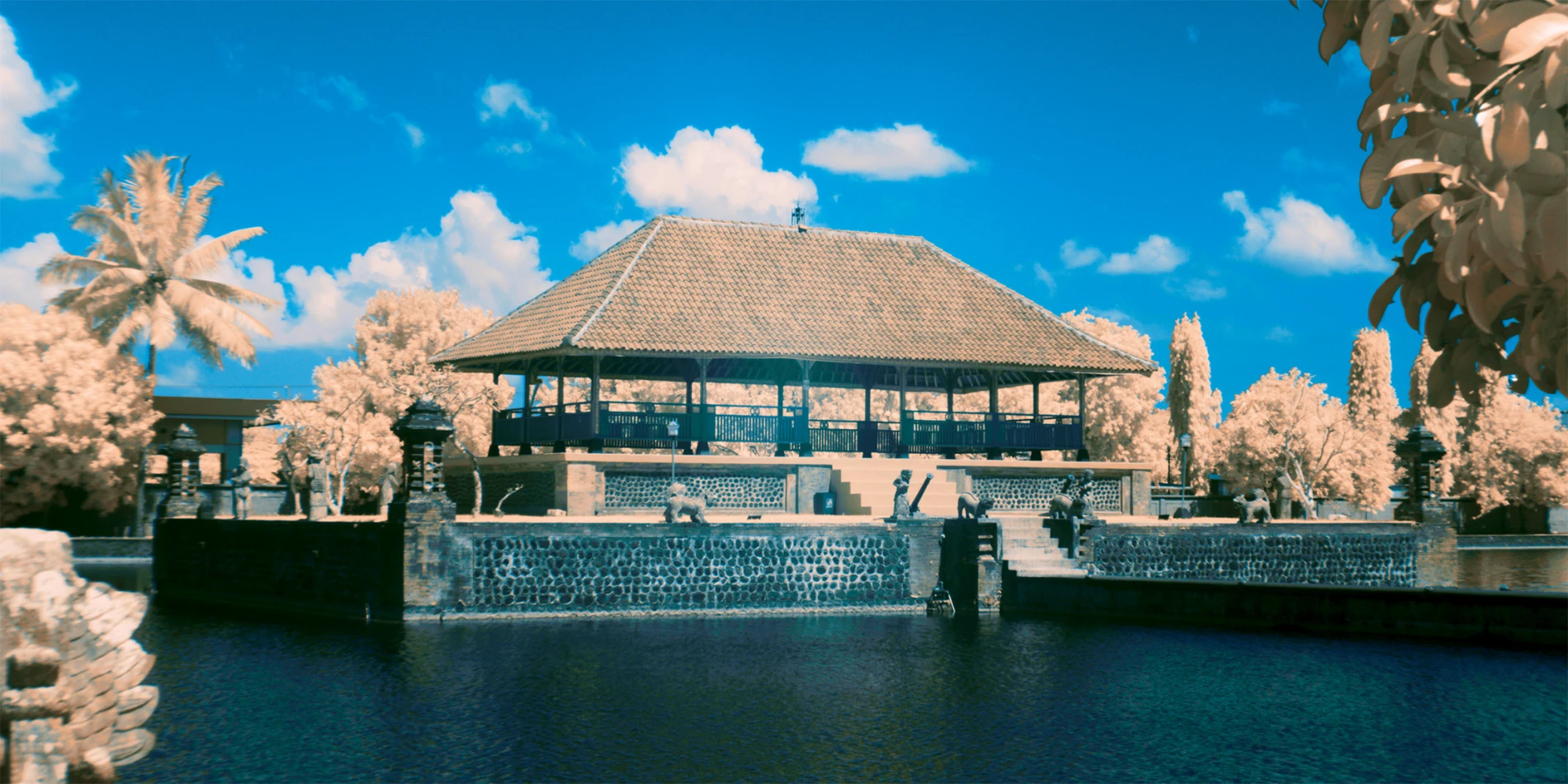
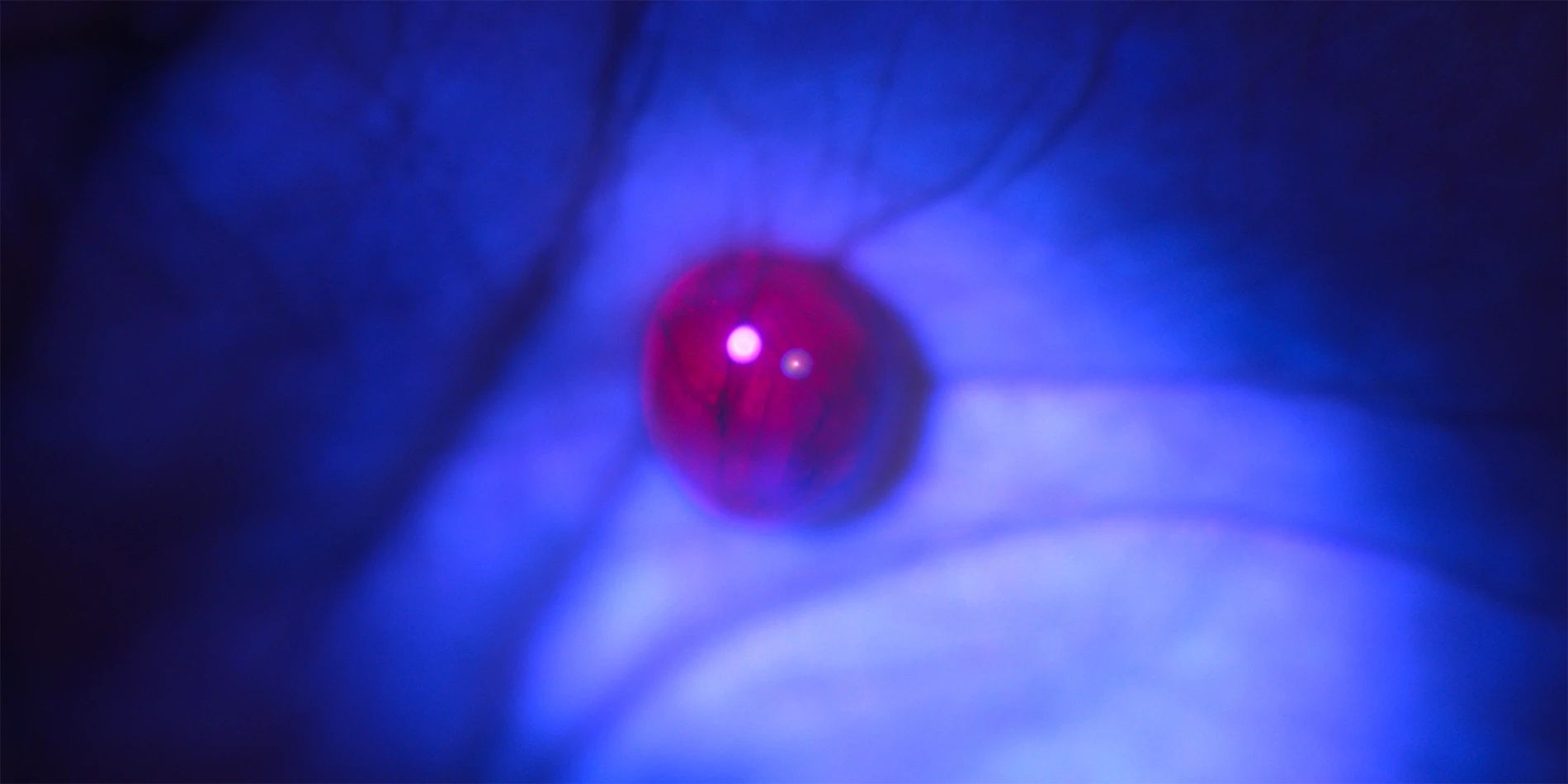
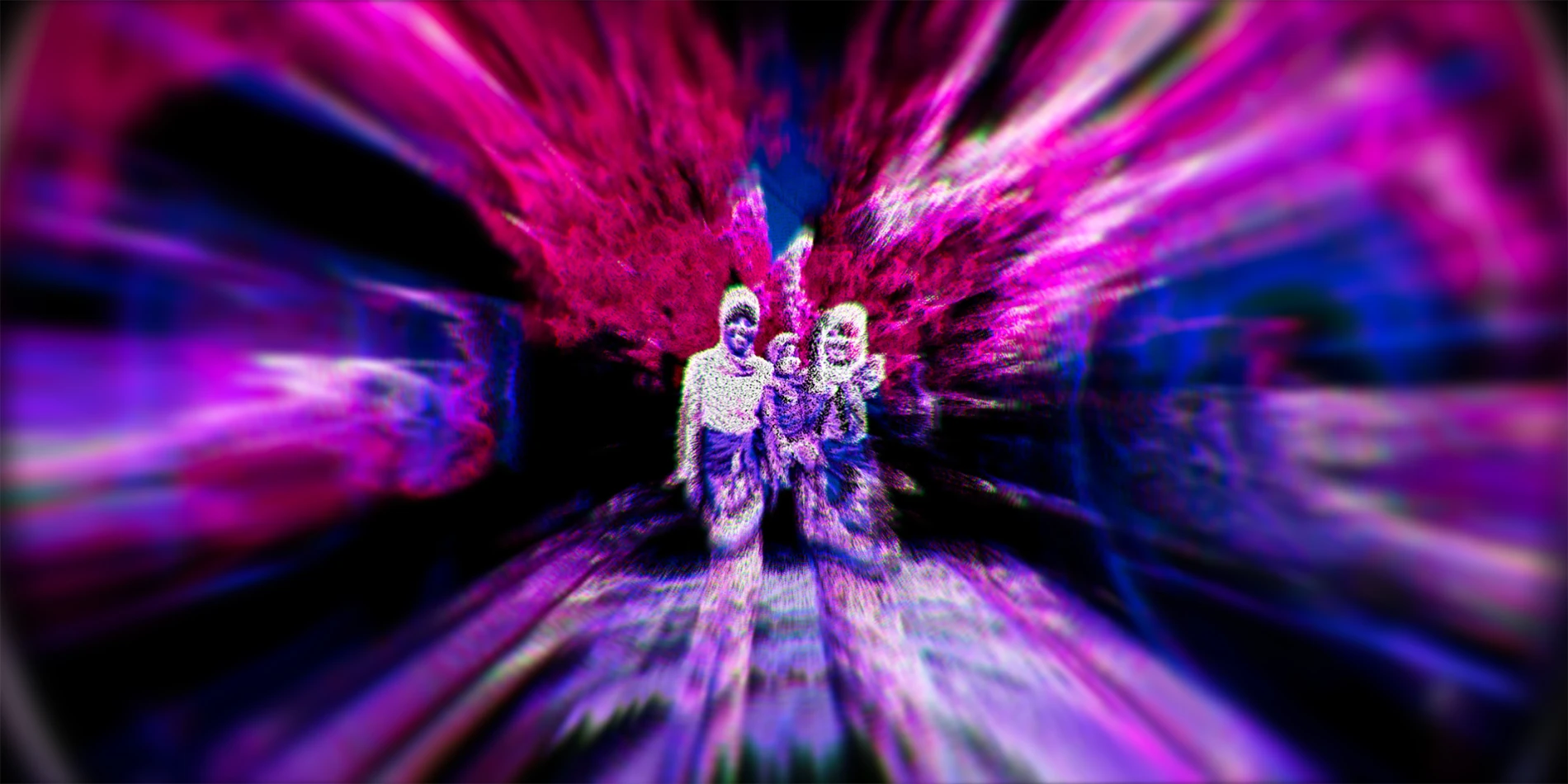
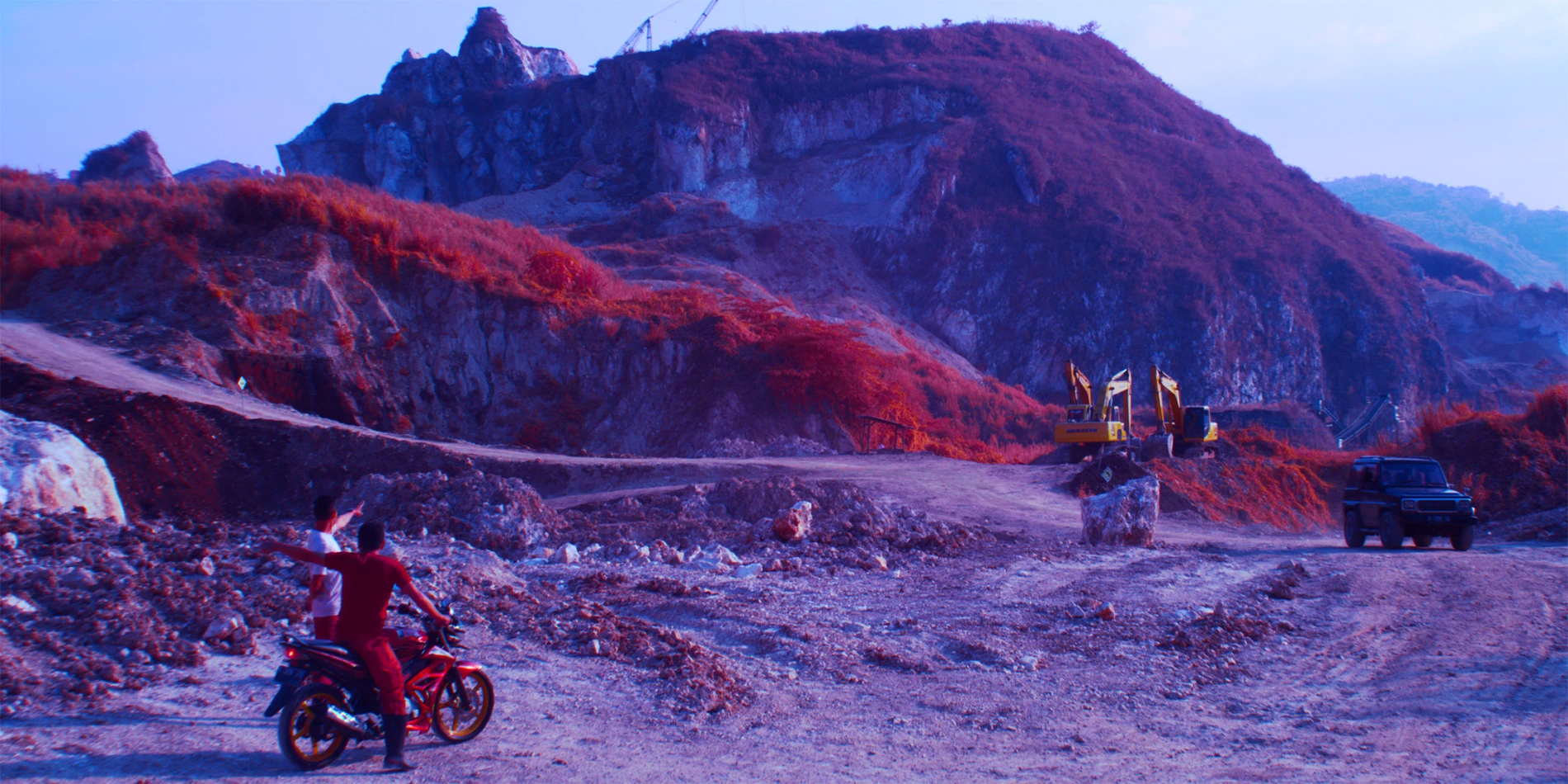
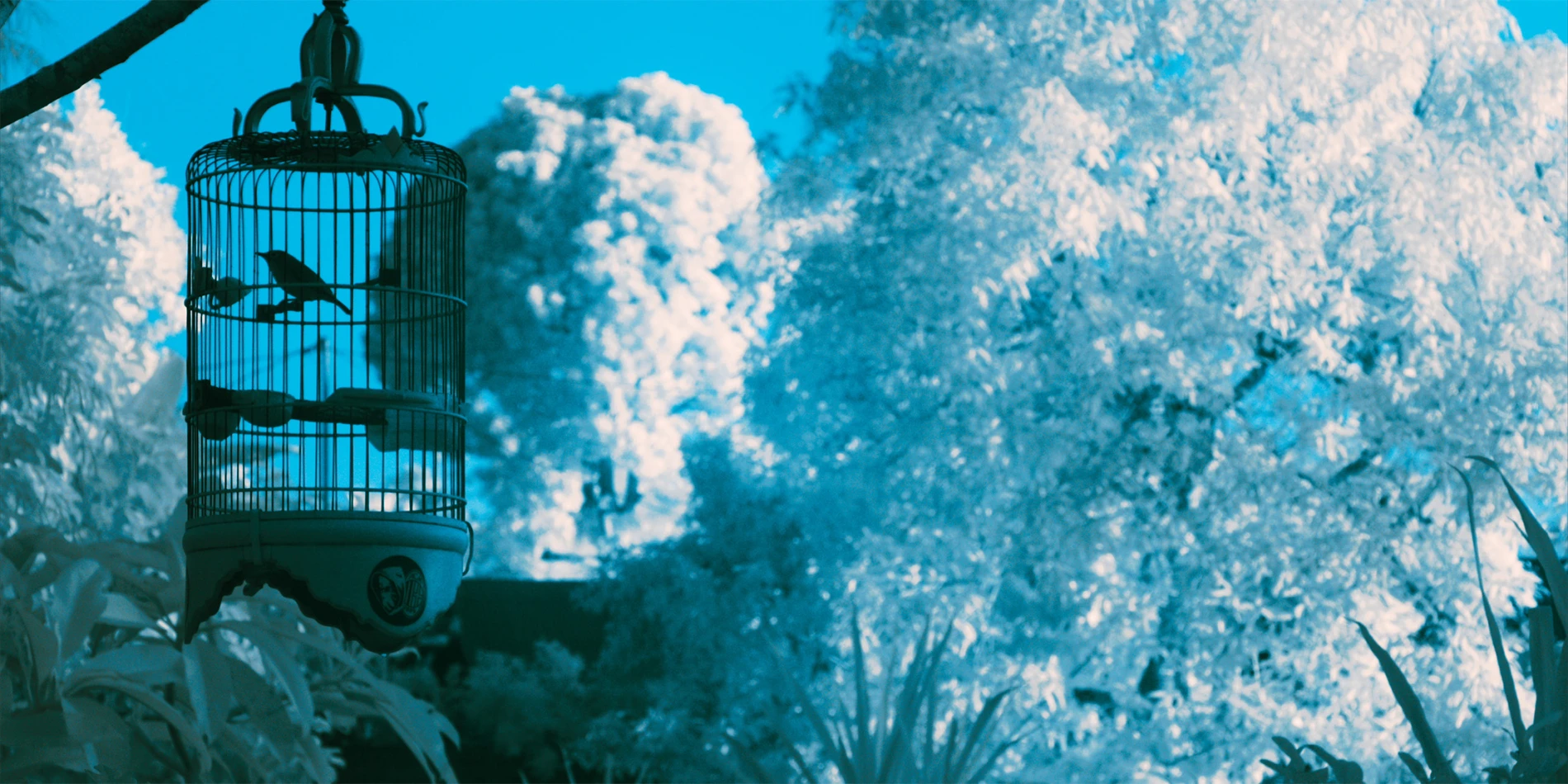
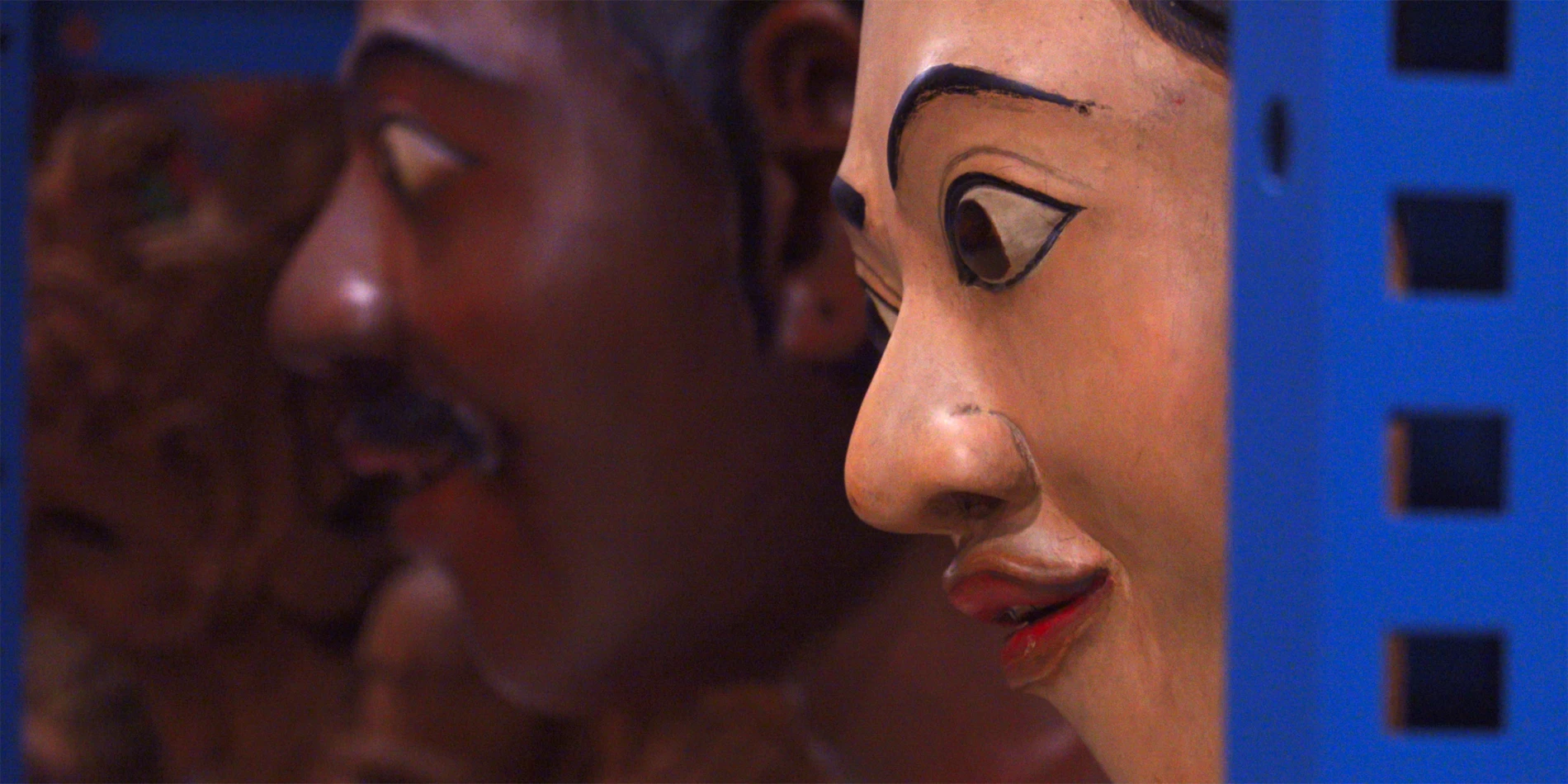
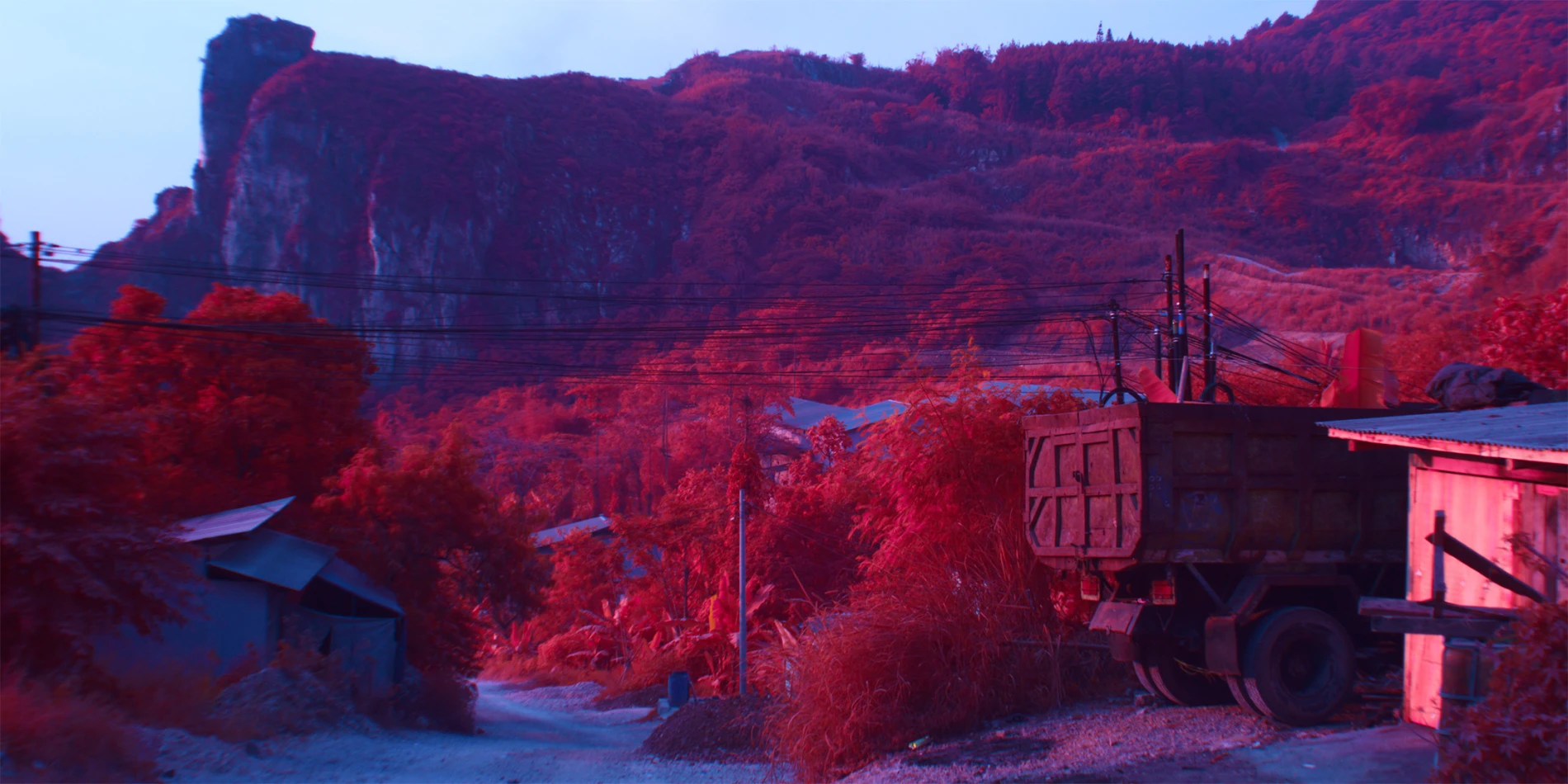
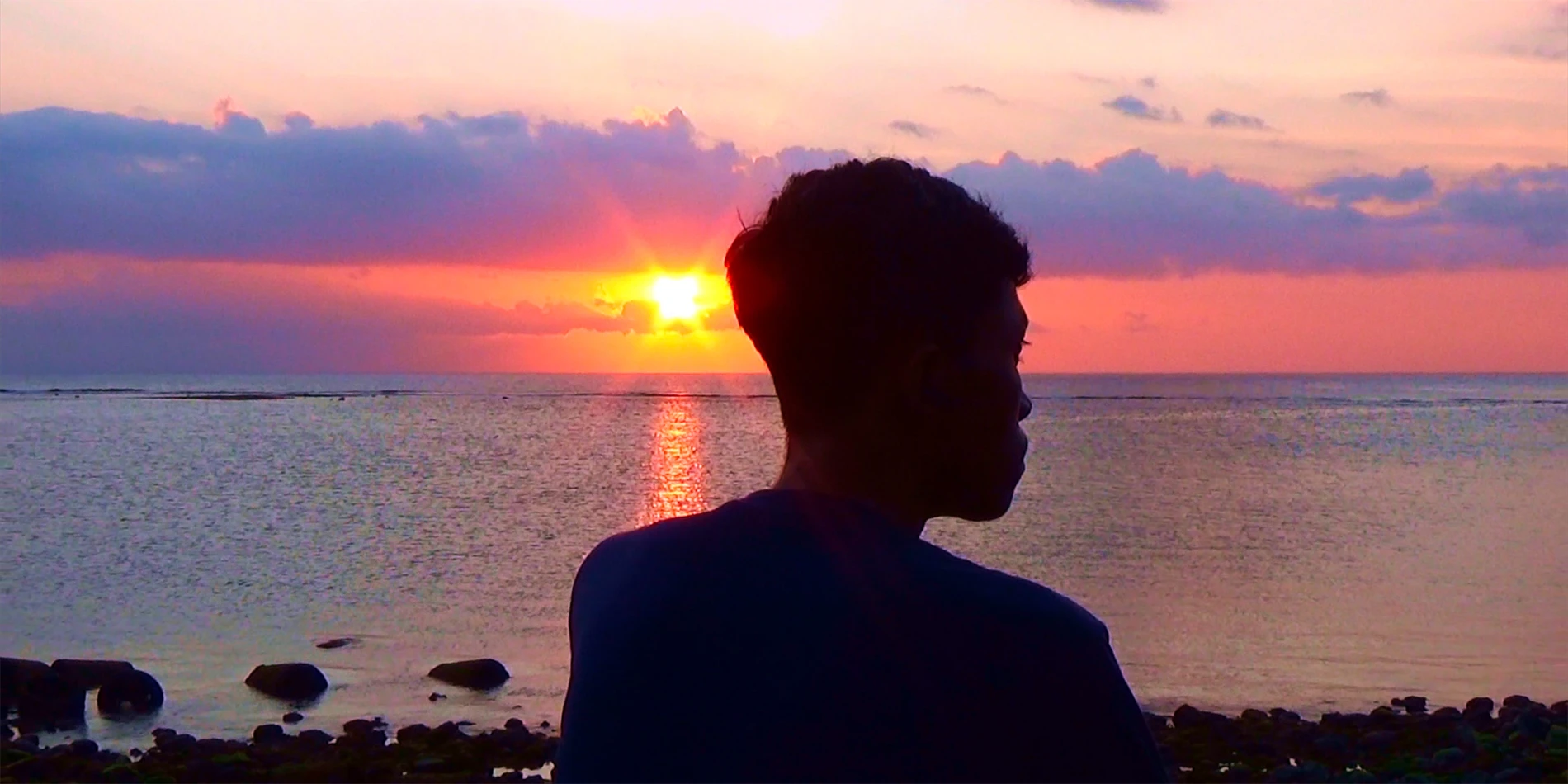
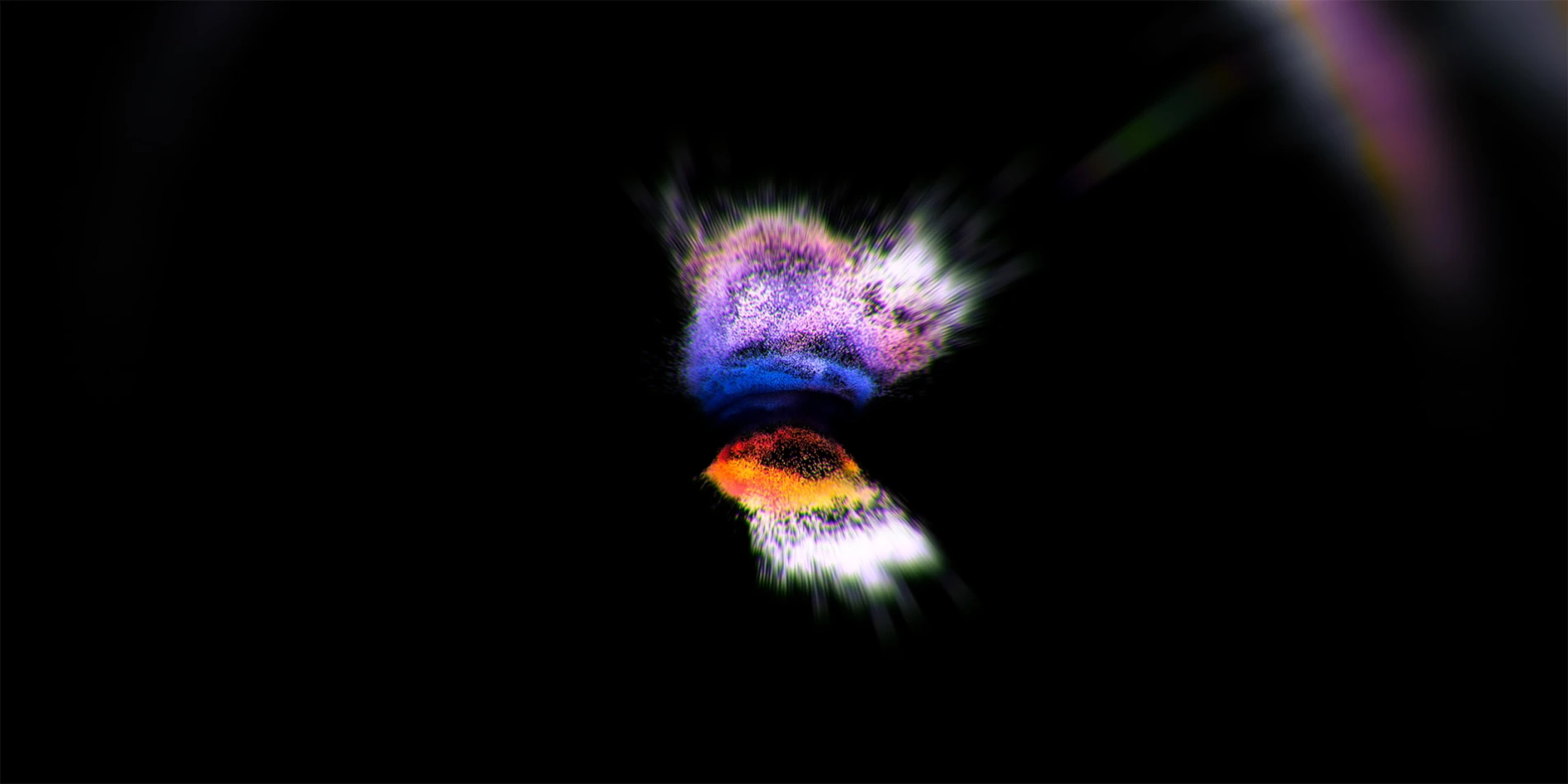
We chose to use full-spectrum cinematography to shoot this film, seeing beyond the visible spectrum into ultraviolet and infrared, imagining how these stones might sense and interpret the world. We also chose to mix the footage with personal handycam footage shot in Lombok alongside animations of the gemstones, creating a hybrid cinematic language to move between the historical, the poetic, and the speculative.
The result
Idak-Idak-Idak became a film less about the physical return of the Lombok Treasures and more about the emotional, cultural, and generational impact of their loss. In Sasak, "Idak" can be interpreted as both "heart" and "absence", becoming a container for memory, loss, and the unseen layers of the self between generations. We chose to focus on three women from the same family, a grandmother in Lombok, her daughter, and her granddaughter in the Netherlands, because their split lives across two countries mirror the fragmented journeys of the artefacts themselves. Like the stones, they carry histories that do not resolve neatly across borders, and like the stones, their sense of belonging is shaped by movement, separation, and what gets lost or transformed in transit. Through their voices, the film uses objecthood to talk about selfdetermination, where the artefacts become emotional mirrors, not historical evidence.
Idak-Idak-Idak does not attempt to solve the question of return. It reframes it, shifting focus from repatriation to rematriation and inviting viewers to dwell in the complexity of inheritance, dislocation, and memory. These artefacts are portals, revealing emotional truths that persist into the present and still shape the lives of generations within contemporary families who are still negotiating what it means to belong.
The artists
Kae Oktorina
KAE (IND) is an Indonesian media artist based in Jakarta. She studied New Media and Culture Studies at Maastricht University in the Netherlands. Her work engages with memory and cultural identity, drawing from personal and collective histories across multimedia forms including digital work, animation, film, installation, and sculpture.
Combining old and new tools, from coding and generative animation to hybrid techniques, she develops a visual language that bridges technology and lived experience, using image modification to shift perception and reframe reality.
christopher tym
christopher tym (UK) is an artist-filmmaker whose practice explores the complexities of shaping connections. Working across hybrid-documentary, animation, and speculative fiction, his work navigates the connections we share between identities, ecosystems, dreams, and each other.
Combining divergent media and layered sonic spaces, he focuses on storytelling and visual innovation that destabilises linear time to propose alternative perspectives on displacement, kinship, and belonging. christopher teaches animated media and tutors at the Gerrit Rietveld Academie, Amsterdam.
